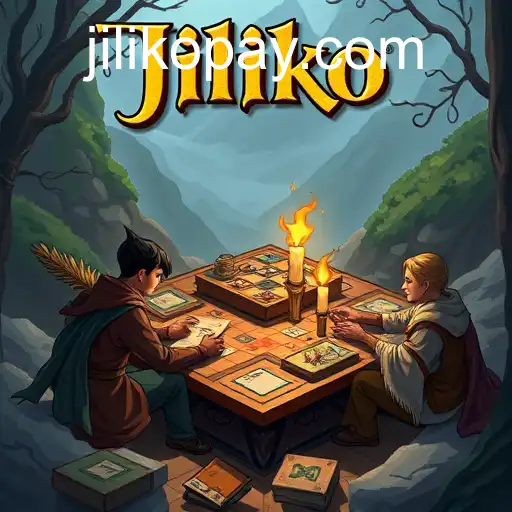
The Evolution and Influence of Tabletop Games: An Insight into Jiliko
The Historical Roots of Tabletop Games
Long before the digital age, tabletop games were an essential part of human social interaction and leisure. From ancient strategy games played by the Pharaohs of Egypt to the early iterations of chess and backgammon, these games have been crucial in shaping cultures and societies around the globe. Today, they continue to flourish with a fan base that cherishes tradition, strategy, and tactile experiences that extend beyond the screen.
What is Jiliko?
Jiliko is a new addition to the ever-evolving world of tabletop games. Unlike traditional games that might focus on classical themes or historical simulations, Jiliko represents a blend of innovative game mechanics and interactive storytelling. It has quickly gained a following for its unique blend of elements that challenge both the minds and creativity of its players.
The Game Mechanics of Jiliko
At its core, Jiliko combines elements of role-playing games (RPGs) and strategy-based board games. Players are required to assume roles that guide their actions within an elaborate fictional universe. This universe is replete with opportunities for players to forge alliances, mount strategies, and engage in quests that test their decision-making skills.
Unlike other games which may have straightforward rules that guide players to a conclusion, Jiliko thrives on open-ended scenarios and branching storylines. This non-linear format ensures that no two games are alike, providing endless variability and opportunities for creative expression.
The Cultural Significance of Tabletop Games
Tabletop games including Jiliko serve as a cultural phenomenon that transcends demographics, age groups, and geographical boundaries. In an era dominated by rapidly advancing technology, these games provide a necessary respite, encouraging face-to-face interaction, teamwork, and critical thinking.
The resurgence of tabletop games is often attributed to their ability to bring people together, whether friends, family, or newfound acquaintances, around a shared table. This in-person connection has become increasingly valuable as virtual interactions have started to eclipse personal experiences.
Social Interaction in Tabletop Gaming
One of the most appealing aspects of tabletop gaming is the social interaction it necessitates. Unlike solitary video games or impersonal online interactions, games like Jiliko require communication, cooperative planning, and the occasional friendly rivalry. These interactions help build strong social bonds and enhance cognitive empathy.
Moreover, tabletop games are inclusive by nature. They often bridge generational gaps, allowing older and younger players to find common ground and share meaningful experiences. This inclusivity is reflected in the diverse themes and stories featured in games like Jiliko.
The Impact of Jiliko on Modern Tabletop Gaming
Jiliko's rising popularity offers a reflection of what modern tabletop gaming is evolving into. It combines traditional elements of gaming with modern-day sensibilities, creating an intricate blend that appeals to a broad audience. Its narratively driven experiences offer depth rarely seen in more conventional board games, capturing the imagination of avid gamers and casual players alike.
With its emphasis on storytelling, Jiliko allows players to step into the shoes of characters and explore intricacies in a way that many tabletop games only skim over. This depth is reminiscent of the narrative richness found in many video games but is delivered through the tactile and social platform of tabletop gaming.
Marketing and the Board Game Renaissance
The late 20th century up to the current day has been marked by a renaissance in board gaming, fueled by crowdfunding platforms and social media. Jiliko has adeptly harnessed these tools to expand its reach, gaining momentum and a vibrant community. The marketing approach surrounding Jiliko includes online teasers and community-driven content, engaging potential players long before they ever roll the dice in their first session.
This grassroots approach has contributed to table games' endurance in a digital-centric world, appealing directly to the collectors and enthusiasts that drive the genre forward.
Future Prospects and Innovations
The success of games like Jiliko indicates that the future of tabletop gaming is brighter and more innovative than ever before. As developers continue to integrate technology with traditional game elements, tabletop games are expanding in complexity and richness. Augmented reality, for example, adds layers to the gaming experience, pushing the boundaries of what tabletop games can achieve.
Additionally, games like Jiliko are pioneering inclusivity and representation within the genre. They highlight different cultures, backgrounds, and stories that have historically been underrepresented, fostering a new era of diversity in game design and narratives.
Conclusion
The world of tabletop games is vast and continually evolving. Jiliko is at the forefront of this evolution, redefining what a board game can be through innovation, community engagement, and a commitment to dynamic storytelling. As players gather around tables in living rooms and game shops alike, they are part of a rich tradition that connects the past to the present, proving that even in a digital world, the allure of tabletop gaming holds strong.